Aokahori Font for Handmade Creations
As a small shop owner who creates custom labels, stickers, and printable designs, I'm always on the lookout for fonts that bring both charm and clarity to my work. Aokahori is one such font that stands out with its unique Japanese brush style, making it ideal for a wide range of craft projects.
Understanding Aokahori's Visual Personality
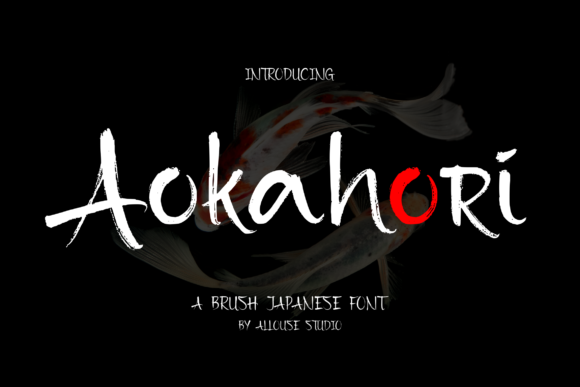
Aokahori is a display font with a soft, flowing brush script that feels hand-painted rather than digitally generated. Its gentle curves and subtle variations in stroke width give it a warm, approachable look that works well for both modern and traditional designs. This makes it especially appealing for handmade products where authenticity and visual appeal are key.
The font has a clean yet expressive character that allows it to be used for short phrases, names, or titles without feeling cluttered. It's perfect for decorative wording on product packaging, wedding invitations, or wall art where the text needs to stand out but still remain readable.
Practical Uses in Craft Projects
I've found Aokahori to be incredibly versatile when creating physical products. Whether I'm designing labels for candles, tags for boutique items, or greeting cards, this font adds a touch of elegance that elevates the overall presentation.
- Candle Labels: Using Aokahori on candle labels gives them a refined look that complements natural or minimalist packaging.
- Birthday Invitations: The soft flow of the font makes it ideal for creating personalized birthday invites that feel special and unique.
- Farmhouse Signs: Pairing Aokahori with a clean sans serif font can create a charming sign that fits perfectly in a rustic setting.
- Wedding Welcome Boards: The font's graceful appearance adds a romantic touch to wedding signage and welcome boards.
It's also great for digital printables like planner pages, printable wall art, and SVG-style designs. When used in mockup previews, Aokahori ensures that the final printed product looks as beautiful as intended.
Readability and Practicality for Crafters
While Aokahori is a display font, it maintains enough legibility for use in small formats like stickers, product labels, and printed cards. I've tested it on Cricut and Silhouette machines, and it cuts cleanly without any issues, which is essential for precise crafting.
For longer text, it's best to pair Aokahori with a complementary font. A clean sans serif font works well for body text, while a bold display font can provide contrast for headings or titles. This combination ensures that the design remains visually balanced and easy to read.
Font Pairing Ideas for Creative Projects
One of my favorite ways to use Aokahori is by pairing it with other fonts that enhance its character. For instance, combining it with a simple serif font for body text can create a sophisticated look suitable for branding projects or magazine layouts.
If you're working on a more casual project, like handmade cards or social media graphics, consider pairing Aokahori with a handwritten or script font. This adds a sense of intimacy and personalization that's perfect for customer-facing materials.
Always check the font's included styles, alternates, ligatures, swashes, and file formats. If Aokahori supports multilingual characters, that's an added bonus for international branding or packaging.
Commercial Use and Licensing
As someone who sells physical products and digital downloads, I always make sure to use commercially licensed fonts. Aokahori should be checked for its licensing terms to ensure it's suitable for selling physical products, templates, printables, SVG designs, merchandise, and client work.
Using the right font license not only protects your business but also ensures that your designs maintain their quality and consistency across all platforms and formats.
In summary, Aokahori is a valuable addition to any crafter's toolkit. Its blend of beauty and practicality makes it a go-to choice for creating attractive, readable, and commercially useful designs across a variety of handmade and digital projects.